Rethinking Rubbish: The Significance of E-Waste Recycling in Our Digital Era
E-waste has grown into a significant problem in the digital age. Abandoned electronic devices pile up, often consisting of dangerous components that threaten the environment. Recycling these devices presents both challenges and opportunities. It not only addresses pollution but also aids in resource conservation. Examining the nuances of e-waste recycling uncovers its indispensable contribution to a greener future. What approaches can people and companies adopt to take part in this essential effort?
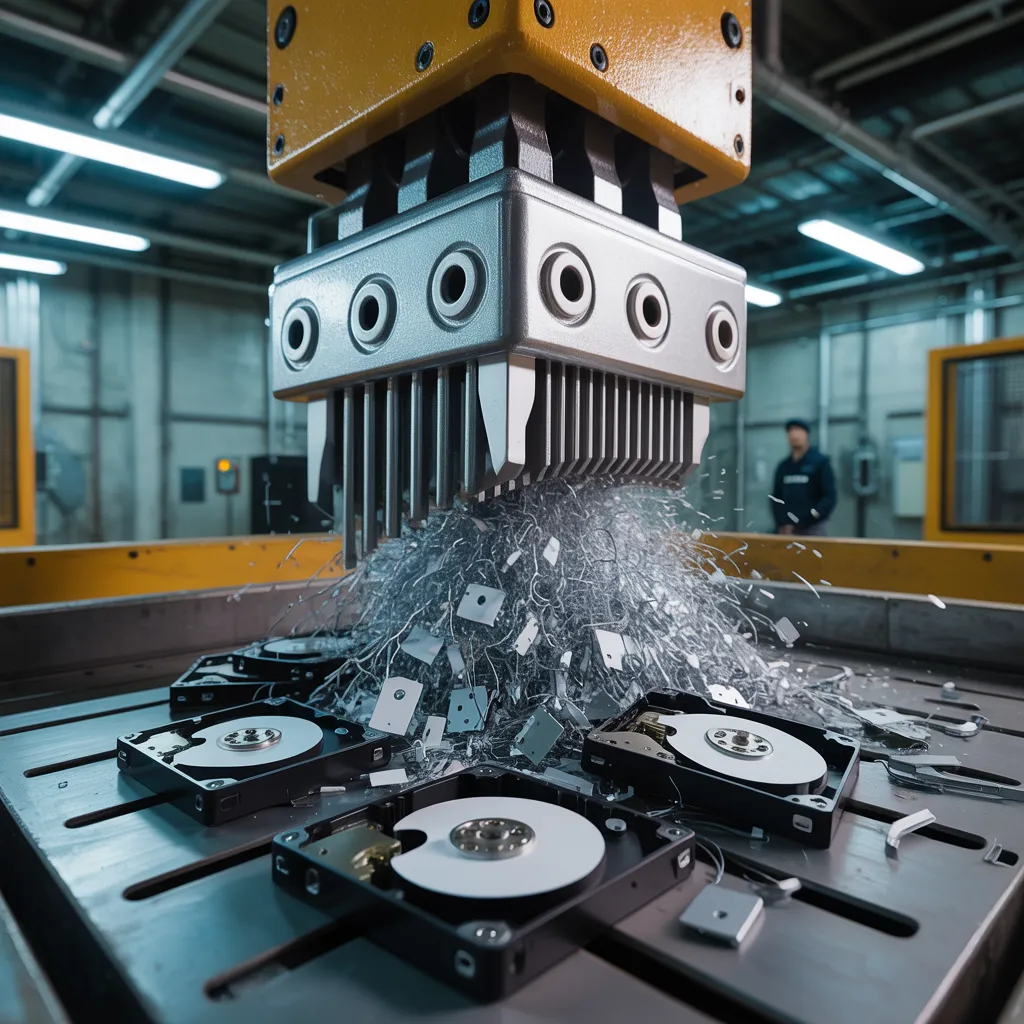
What Is E-Waste and Why Is It Important?
Electronic waste, commonly referred to as e-waste, describes disposed electrical or electronic equipment, such as computers, smartphones, and televisions. This classification of waste is increasing significantly, propelled by innovations in technology and heightened consumer desire for upgraded devices. As individuals seek newer technological products, the volume of e-waste generated annually skyrockets, presenting considerable difficulties for waste management infrastructures.
The significance of addressing e-waste lies in the serious threats it presents to both health and the environment. A wide range of electronic equipment holds dangerous chemicals, like lead, mercury, and cadmium, which can leach into soil and water if improperly disposed of. Furthermore, e-waste represents a loss of valuable materials, including precious metals and rare earth elements. Proper handling of e-waste is thus vital for both safeguarding the environment and recovering valuable resources. Raising awareness about e-waste encourages responsible disposal and recycling practices, which can mitigate negative impacts on both the planet and human health.
How E-Waste Recycling Helps Reduce Environmental Impact
E-waste recycling fulfills a critical function in reducing the amount of toxic materials that end up in landfills, consequently preserving soil and water integrity. Moreover, it conserves valuable natural resources by reclaiming metals and components for reuse. This approach also encourages environmentally responsible practices, supporting a circular economy that delivers advantages for both the environment and communities.
Decreasing Toxic Waste in Landfills
A large share of worldwide e-waste finds its way into landfills, where it presents major threats to the environment. Electronic waste is comprised of toxic substances such as cadmium, lead, and mercury, which can leach into the soil and groundwater, polluting natural ecosystems and putting public health at risk. By responsibly recycling e-waste, these dangerous elements can be responsibly handled and stopped from polluting landfill sites. Electronic waste recycling centers reclaim valuable resources while guaranteeing that hazardous materials are processed according to regulatory environmental guidelines. This process not only limits environmental damage but also promotes responsible disposal practices among consumers. As e-waste continues to rise, efficient recycling proves vital in reducing toxic landfill waste and safeguarding the environment from the threats posed by abandoned electronic devices.
Preserving Natural Resources
Recycling e-waste plays an essential role in conserving natural resources, as it enables the extraction of valuable materials that can be repurposed for the manufacturing of new devices. Valuable metals such as gold, silver, and copper, commonly present in electronic waste, can be extracted and repurposed, diminishing the dependence on mining. This not only minimizes the environmental damage associated with extracting these resources but also aids in protecting ecosystems. Additionally, e-waste recycling decreases the demand for raw materials, which are commonly finite and susceptible to geopolitical tensions. By harnessing existing materials, the recycling of electronic waste supports a more sustainable approach to resource management, making certain that future generations retain access to the raw materials essential to technological advancement.
Encouraging Sustainable Practices
Reducing environmental harm depends on the proper recycling of e-waste, which significantly decreases pollution and preserves energy. E-waste recycling recovers valuable materials, such as various metals and plastics, lessening the need for raw material extraction and minimizing ecological disruption. By redirecting electronic products away from landfills, the harmful substances present in these devices—such as mercury and lead—are stopped from tainting soil and groundwater. Additionally, recycling programs foster a circular economy, promoting responsible behaviors across consumers and producers. Public outreach programs serve a critical function in advancing responsible disposal, making it easier for individuals to participate in e-waste recycling. In the end, these combined actions help lower carbon emissions and contribute to a more sustainable world for generations to come.
How Electronic Waste Recycling Conserves Resources
E-waste recycling plays an essential role in resource conservation by recovering precious metals that can be reused in new products. This method considerably lowers the reliance on raw materials, consequently minimizing the ecological impact associated with mining and extraction. In the end, responsible e-waste recycling supports a more environmentally conscious resource management framework.
Retrieving Precious Metals
As technological progress continues, the accumulation of electronic waste has become a significant issue, emphasizing the importance of recovering precious metals from electronic discards. E-waste contains valuable materials such as gold, silver, and palladium, which are indispensable in various industries. Traditional mining for these metals is consuming of vast resources and environmentally damaging. In contrast, recycling e-waste offers a sustainable alternative, facilitating the extraction of these precious metals with a significantly reduced environmental footprint. By retrieving these materials, e-waste recycling not only conserves finite resources but also minimizes the demand for new mining operations. This process contributes to a circular economy, encouraging the responsible use of materials and nurturing a more sustainable approach to technology consumption and waste management.
Decreasing Raw Material Requirements
A significant decrease in raw material demand can be realized through efficient e-waste recycling. By recovering essential components such as metals, plastics, and glass from abandoned electronic devices, e-waste recycling minimizes the reliance on mining and processing raw materials. This not only conserves natural habitats but also lowers energy consumption associated with raw material extraction. For instance, recycling one million cell phones can retrieve 24 kilograms of gold, markedly reducing the demand for new gold mining. Additionally, as electronic devices continue to proliferate, the necessity of recycling becomes progressively vital. Ultimately, a comprehensive e-waste recycling program can help create a circular economy, ensuring that resources are utilized productively and conscientiously, thereby minimizing the environmental impact of resource depletion.
The Ways E-Waste Recycling Reduces Pollution
When electronic devices are disposed of improperly, harmful pollutants can leach into the environment, presenting considerable dangers to human health and the environment. E-waste recycling mitigates these dangers by guaranteeing that dangerous substances, like lead, mercury, and cadmium, are processed responsibly. Through the recycling of electronic waste, these toxic elements are extracted and processed, reducing their likelihood of contaminating soil and water sources.
Additionally, recycling e-waste minimizes the need for waste incineration, which can emit toxic pollutants into the surroundings. The procedure additionally safeguards natural reserves by retrieving precious metals and parts, thereby reducing the need for mining and refining activities that often contribute to harm to the environment.
What Are Effective Ways for Individuals to Participate in E-Waste Recycling?
Individuals have a significant part in the electronic waste recycling process, supporting the protection of the environment and conservation of resources. To take part meaningfully, they can initiate the process by locating and separating discarded electronic devices, such as used phones, laptops, and batteries, from everyday waste. Many local municipalities and organizations provide designated drop-off locations or collection events exclusively for electronic waste, making it easier for individuals to recycle responsibly.
Furthermore, people can become informed about proper disposal methods and the potential environmental hazards associated with improper e-waste disposal. Taking part in community initiatives or advocacy networks can further raise awareness and advance better recycling behaviors. Furthermore, people may want to give functional gadgets to nonprofits or schools, lengthening their lifespan and decreasing waste. By making informed choices and taking proactive steps, individuals can greatly impact e-waste reduction and promote a sustainable future.
Practical E-Waste Recycling Solutions for Businesses
Educating workers on correct waste management practices cultivates a mindset of sustainability throughout the organization. In addition, businesses can create take-back programs, prompting customers to bring back outdated devices, consequently supporting a closed-loop system.
Investing in energy-conscious innovations can also decrease future e-waste generation. By implementing these methods, businesses not only comply with compliance standards but also emerge as sustainability champions. In the end, effective e-waste recycling can generate cost savings and a stronger brand presence, aligning corporate practices with consumer values.
Upcoming Trends in E-Waste Management and Recycling
With technology continuing to advance at an accelerating rate, future trends in e-waste management and recycling are increasingly focused on innovation and sustainability. One significant trend is the development of advanced recycling technologies that enhance the extraction of valuable materials from electronic waste. Techniques such as hydrometallurgy and bioleaching are gaining traction, allowing for more efficient recovery of metals like gold and copper.
Furthermore, organizations are implementing More info circular economy principles, which focus on designing products for durability and repairability. This change reduces e-waste generation and inspires producers to take ownership of their products when they reach end-of-life status.
Additionally, greater collaboration between consumers, governments, and industries is poised to improve regulatory frameworks and streamline recycling processes. Community outreach initiatives will also play a crucial role in encouraging responsible disposal practices. Collectively, these trends aim to create a more sustainable future, addressing the growing challenges posed by electronic waste.
Frequently Asked Questions
What Kinds of Devices Fall Under the Category of E-Waste?
E-waste consists of disposed electronic equipment including televisions, computers, smartphones, gaming consoles, tablets, and printers. Additionally, appliances like microwaves and refrigerators are also considered e-waste, posing environmental risks when not recycled appropriately.
How Are E-Waste Recycling Practices Regulated?
Electronic waste recycling is governed via a range of legislation and policies that mandate proper disposal, support producer responsibility, and foster sustainable environmental practices. Adhering to these regulations ensures toxic substances are managed appropriately, limiting ecological damage and protecting public health.
What Are the Hazards of Improper E-Waste Disposal?
Careless e-waste disposal creates considerable hazards, among them environmental contamination stemming from harmful substances, health hazards to communities, and the loss of valuable resources. These effects reinforce the immediate necessity for accountable recycling procedures and governing regulations.
Is It Possible to Donate or Reuse E-Waste?
Indeed, electronic waste is suitable for donation or reuse. A wide range of organizations welcome functional electronic items, passing them along to individuals in need. This method not only increases the longevity of electronics but also reduces environmental impact through responsible disposal.
What Certifications Are Required for E-Waste Recyclers?
E-waste disposal companies are required to hold certifications including R2 (Responsible Recycling), e-Stewards, and ISO 14001. These certifications guarantee conformity to sustainability standards, encouraging proper handling, processing, and elimination of e-waste in support of sustainable operations.